 Back
Back
Healthy, climate resilient pastures
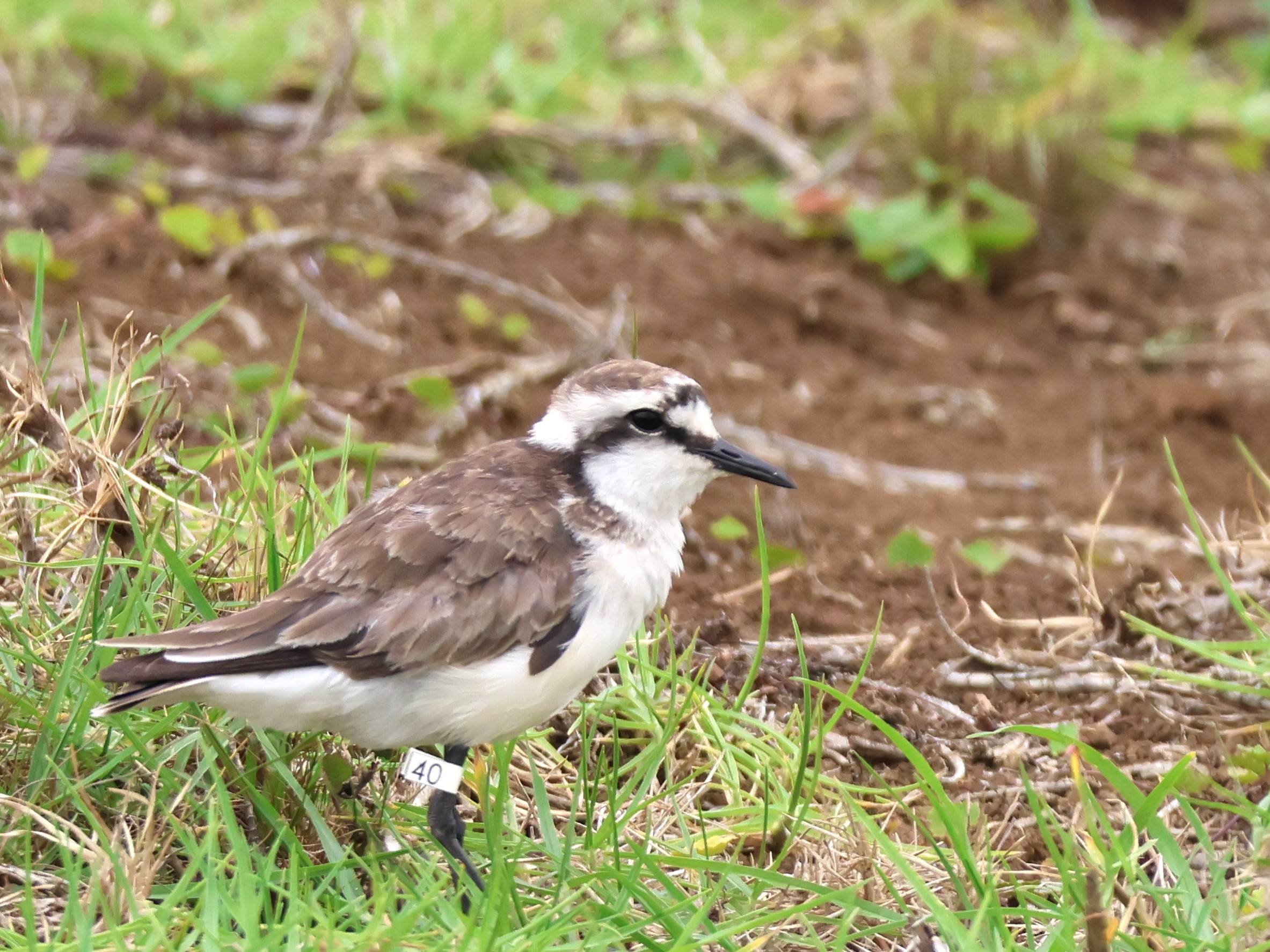
Flagged Wirebird. Credit – St Helena National Trust (SHNT).
Better grasslands support livelihoods and endemic birds
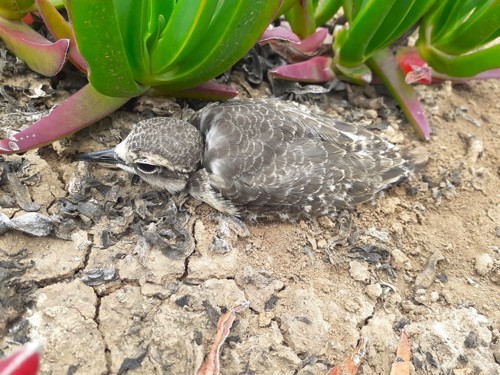
St Helena’s open grasslands are important to island life. They feed our livestock, contributing to local food security, and support the endemic St Helena Plover, locally known as the Wirebird, the island’s last surviving endemic land bird.
But these areas are facing increasing pressures from changing land use, invasive plant species, and the growing uncertainty of climate change. Prolonged droughts, intense rainfall, and shifting seasonal patterns are already affecting both pasture productivity and wildlife habitat, making grassland management more important than ever.
This three-year long project is led by the St Helena National Trust in partnership with Royal Society for the Protection of Birds (RSPB) and St Helena Government (SHG). It aims to improve the grasslands, which are predominantly used for grazing animals, safeguard Wirebird habitat, and enhance local livelihoods.
The challenge
Some effects of climate change are already visible. Droughts have hardened soils, reduced vegetation cover, and increased dust and erosion with direct consequences for livelihoods through reduced forage for livestock. Invasive plants, such as bull grass (Juncus capillaceus), lantana (Lantana camara), and gorse (Ulex europaeus) are more tolerant of dry conditions than many pasture species, allowing them to recover quicker and gain competitive advantage in these conditions.
These changes reduce the quality of pastureland for both livestock and the Wirebird. Drought can reduce invertebrate abundance in dryland ecosystems by lowering soil moisture and plant productivity, affecting the Wirebirds’ food supply.
On the other hand, heavy rainfall can compact and waterlog soils, slowing root growth and reducing pasture productivity. Invasive species like bull grass thrive in these compacted, saturated conditions, and their dense root mats further harden the soil, slowing the recovery of pasture grasses. On steep slopes heavy rain increases erosion and runoff, stripping away fertile topsoil and weakening grassland resilience. These changes reduce pasture quality for livestock and alter the structure of Wirebird foraging and nesting habitat.
The solution
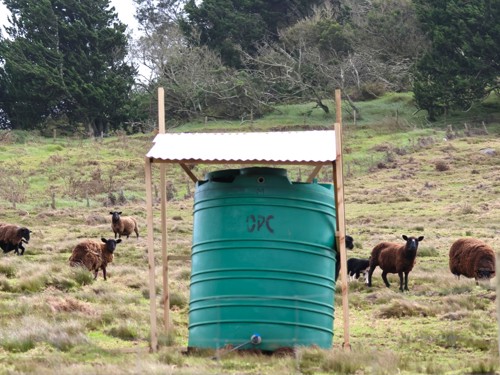
The project strengthens climate resilience in several ways. Improved grassland management focuses on maintaining short, open swards suitable for Wirebirds, while enhancing soil stability and water infiltration. Sustainable land-use guidance helps farmers, syndicates, landowners, and government partners reduce erosion during heavy rainfall and retain moisture during drought, benefiting both livestock and wildlife.
Capacity building is also a key part of the project. Spray (herbicide) training was offered to landowners, and wider engagement has been successful. Guided tours for visitors have exceeded targets and helped raise global awareness of the Wirebird and the importance of grasslands. School visits and youth activities have strengthened this understanding among the next generation, building long-term stewardship. As part of this project, all major stakeholders contribute to discussions on policy change and long-term management, embedding resilience thinking into grassland management.
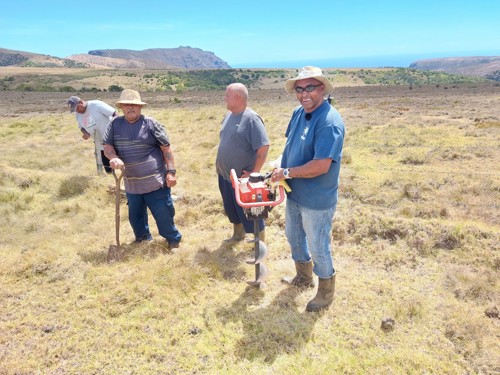
This project has trialled practical restoration methods to improve pasture condition. Techniques such as the ‘rip and roll’ method — turning and rolling soil to suppress invasive species — are used alongside mechanical topping, targeted herbicide treatments, and manual clearance, intensive grazing efforts, and trialling use of lime. The aim is not just to remove invasive plants, but to encourage useful pasture grasses and broadleaf herbs to return. Healthier pastures provide better grazing for livestock, improved habitat for Wirebirds, and stronger soils that retain moisture during drought and resist erosion during heavy rainfall.
Looking ahead, climate change poses risks such as increased drought frequency, intense rainfall events that can cause nest flooding or erosion, and grassland degradation under combined climate stress and grazing pressure. This project addresses these risks by improving pasture management, reducing invasive species that worsen soil compaction, and supporting water capture. The project also gathers information from the farming community through livelihood questionnaires, helping to shape policy and decision-making. Healthy grasslands also contribute to climate mitigation, reducing erosion and land degradation and supporting local food production, in turn, lowering reliance on imported goods. Through this integrated approach, the project strengthens both biodiversity and livelihoods.
Adapting to challenges
Implementing climate adaptation on a small, isolated island comes with many challenges. Funding limits the scope of work, such as soil testing and research, into the most suitable pasture species. Ecological data on Wirebird breeding is limited, so building on past and current projects is needed to expand monitoring with additional flagging (attaching coloured tags to birds’ legs), nest cameras, and tracking techniques. Logistical constraints, such as shipping delays or government approval processes, can slow progress. Despite these hurdles, strong collaboration has ensured that the current project goals are embedded into grassland management, and project partners remained committed to these long-term goals.
Feedback from landowners and stakeholders indicates that the project has helped the community feel more prepared for climate impacts. Farmers report increased understanding of adaptive pasture management, and stronger awareness of biodiversity’s role in healthy landscapes. Younger islanders are showing interest in conservation and helping to carry these lessons forward.
The project also works with government, particularly the Environmental and Natural Resources Portfolio (ENRP), to influence and improve management policy, and improve management frameworks. Outcomes include an updated species action plan, strengthened licensing frameworks, and the reinforcing of Important Wirebird Areas into the Nature Conservation Areas, highlighting government recognition of these habitats and ensuring their legal protection.
This project shows that protecting an endemic species like the Wirebird strengthens the wider ecosystem. By improving grassland health, supporting sustainable livelihoods, and encouraging adaptive management practices, the project helps St Helena prepare for, respond to, and recover from climate impacts.
Conservation, climate action, and sustainable farming are all interconnected goals. Through partnership, practical action, and long-term goals, this project is helping to create a cleaner, greener, and more resilient St Helena for both people and wildlife.
Written by Sheena Benjamin, Gavin Ellick, Aidan Plato, Matthew Owen, and Martina Peters. For more information on this Darwin Plus Main project DPLUS190, led by St Helena National Trust, please click here.