 Back
Back
Small site, big discoveries
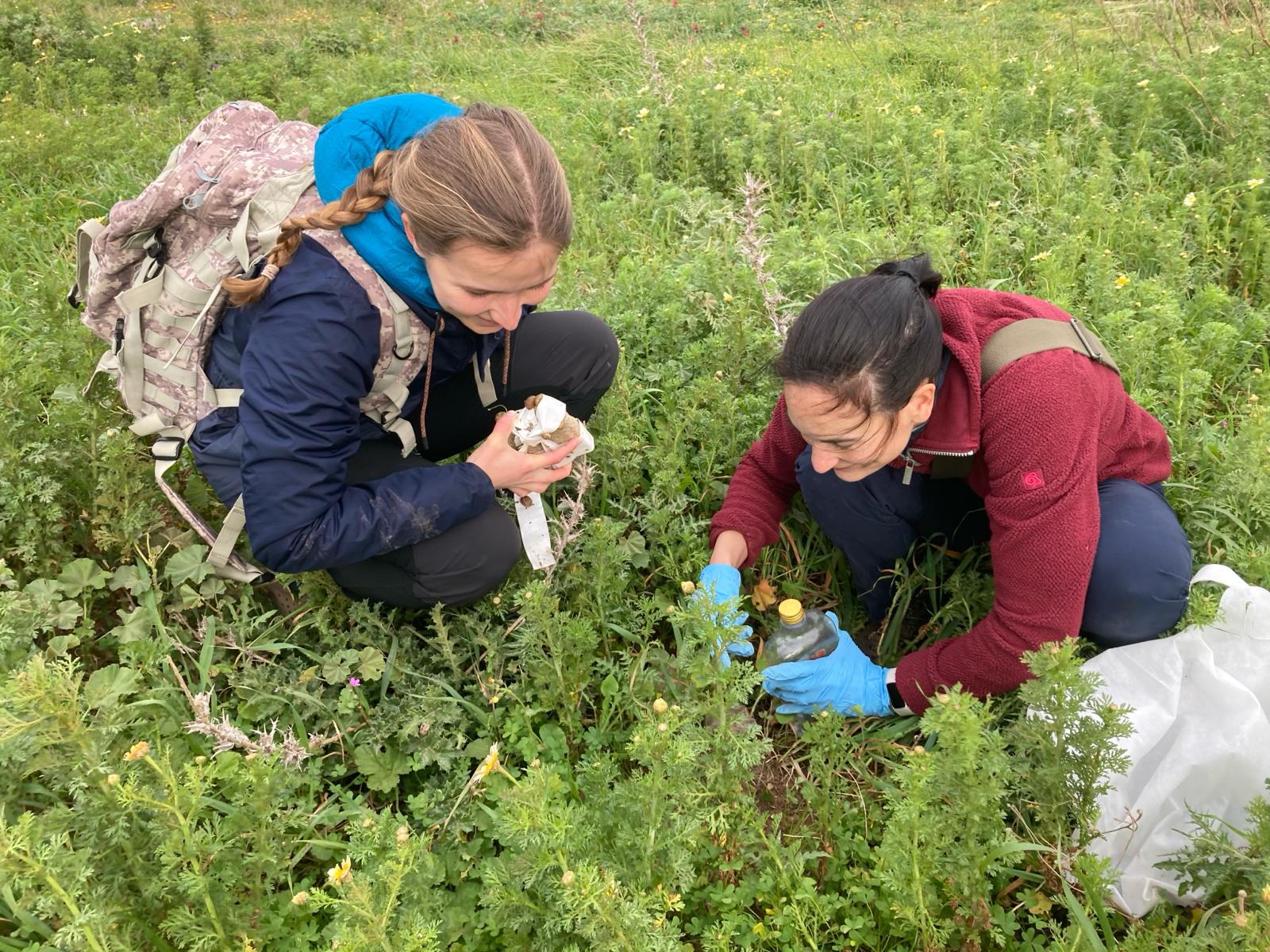
Lillianne Hawkins and Dr. Rhian Guillem setting up pitfall traps on Windmill Hill. Credit – Philip Stanley.
Discovering insect diversity at Windmill Hill Flats
Tucked away at the southern end of Gibraltar, Windmill Hill Flats might appear modest in size, but recent biodiversity assessments reveal it to be anything but small in ecological importance. While the site is well known for its plants and migratory birds, new surveys through a Darwin Plus Local project are highlighting a quieter, but no less remarkable group: insects.
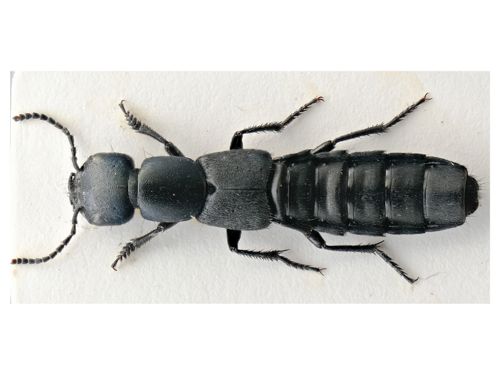
Despite covering only a fraction of Gibraltar’s land area, Windmill Hill Flats supports an unexpectedly rich assemblage of insects, including beetles and other invertebrates typically associated with much larger or more complex habitats. These discoveries highlight a key message for conservation: biodiversity does not scale neatly with size. Even small, open habitats can harbour disproportionately high levels of species richness, including rare, localised, or previously overlooked taxa.
Insects are fundamental to ecosystem health. Beetles, for example, play key roles as decomposers, predators, and indicators of habitat quality. Their presence and diversity reflect subtle features of vegetation structure, soil condition, and land management history. At Windmill Hill Flats, the mosaic of low, open vegetation and seasonal flowering plants creates niches that support a wide range of insect life, from ground-dwelling beetles to migratory flying insects passing through the Strait of Gibraltar.
What makes these findings especially significant is that many insect groups remain understudied relative to birds or plants. Without targeted biodiversity assessments, their conservation value would remain invisible. The work at Windmill Hill Flats demonstrates how systematic surveys can uncover hidden diversity, providing robust evidence to inform management decisions and protect habitats that might otherwise be undervalued.
The insects at Windmill Hill Flats tell a simple but compelling story: conservation success often begins with looking closely at what is already there. Careful fieldwork, even at very small sites, can yield discoveries that reshape our understanding of local and regional biodiversity.
Written by Julia E. Fa and Rhian Guillen. For more information on this Darwin Plus Local project DPL00044, led by University of Gibraltar, please click here.