 Back
Back
Halting the fire ant island invasion
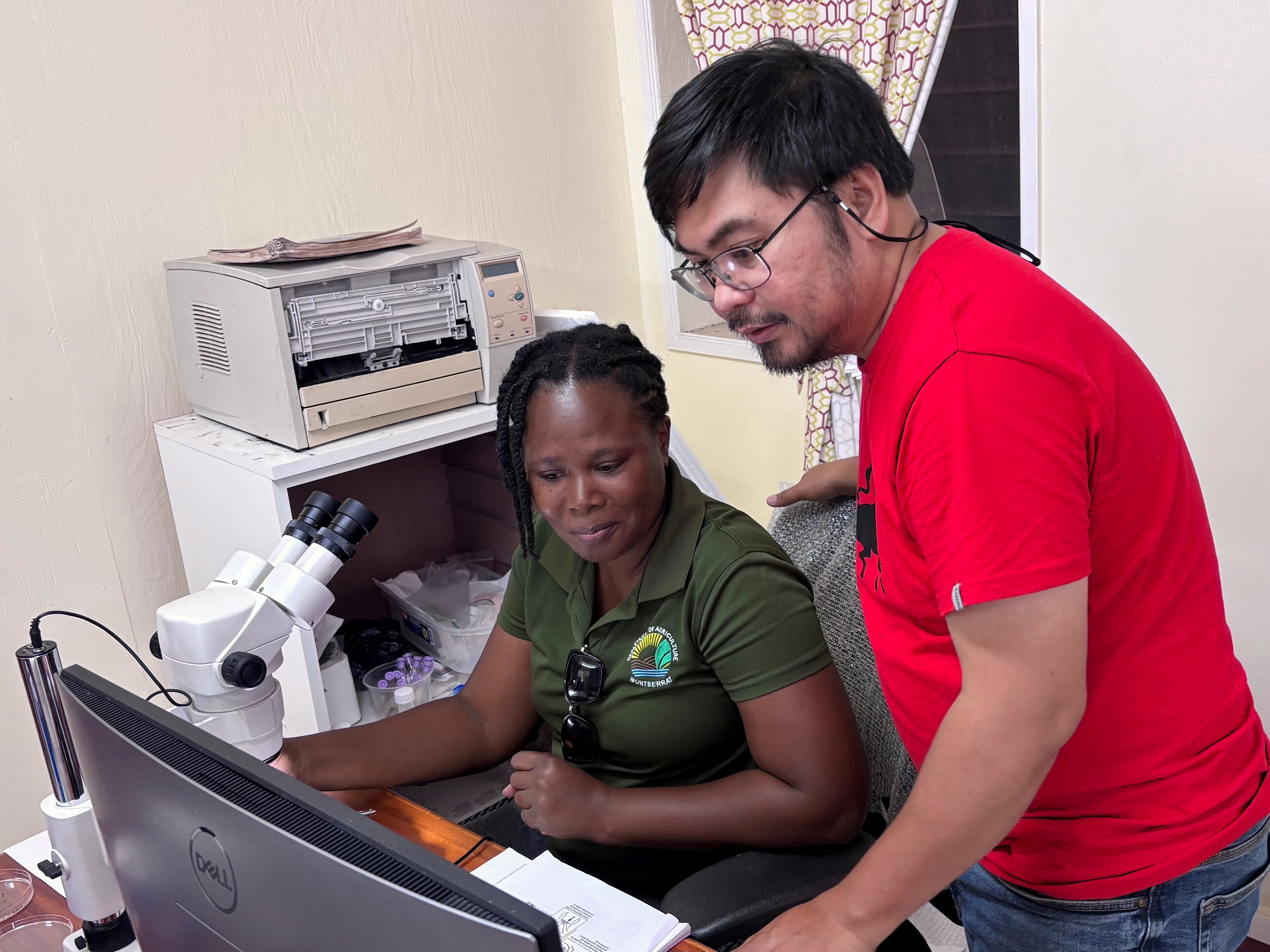
Noel Tawatao of Fera demonstrates ant identification techniques to Bernitta Sereant of the Department of Agriculture. Credit - Stephen Mendes.
Stopping the fire ant invasion in Montserrat
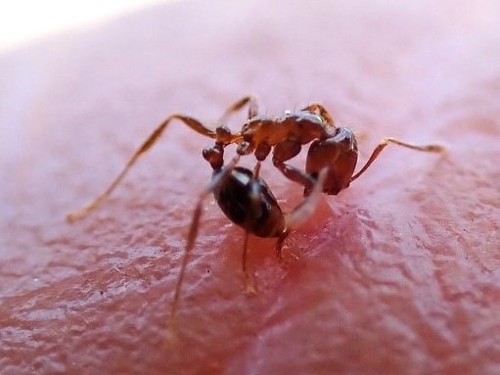
The red imported fire ant (Solenopsis invicta) is recognised as one of the most aggressive, destructive, and invasive ant species globally. Many regions, particularly those in the Caribbean, such as Montserrat, are currently grappling with severe infestations. The project ’Managing Invasive Fire Ant Populations on Montserrat, Caribbean‘ has made significant strides in curtailing the spread of fire ants across various parts of the island. This initiative has focused not only on reducing the fire ant population but has provided critical insights into their detrimental impact on biodiversity, and the importance of public awareness in preventing further colonisation of Montserrat.
In total, over 4,000 active fire ant mounds were treated with pesticides. These treatments were concentrated in identified priority areas, such as the borders of the (a restricted region created to keep people safe from volcanic activity) which can serve as a source of reinfestation to treated areas. Given the extensive number of mounds and the urgent need to mitigate the infestation at that time, pesticide application was deemed the most effective method for treating active mounds.
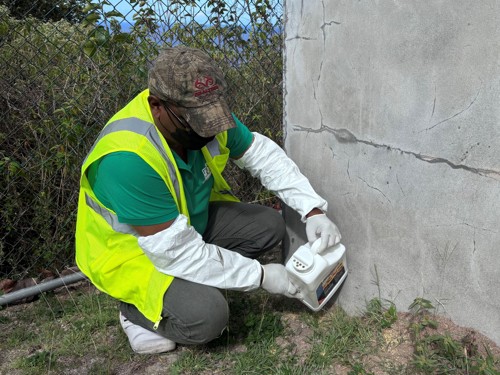
Additionally, several non-chemical suppression methods have been introduced. These include applying hot water to mounds and maintaining good sanitation practices to eliminate potential food sources for fire ants and other pests.
Following the completion of the project, Barry Mahabir from the Government of Montserrat Department of Environment initiated an Integrated Pest Management programme. This programme emphasises agroforestry practices aimed at reducing open areas and enhancing green spaces to promote biodiversity. By providing more shade, thus regulating the ground temperature, this approach creates an environment less attractive to fire ants, while simultaneously providing habitats for native species.
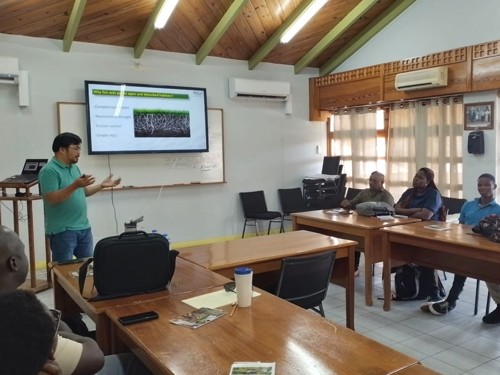
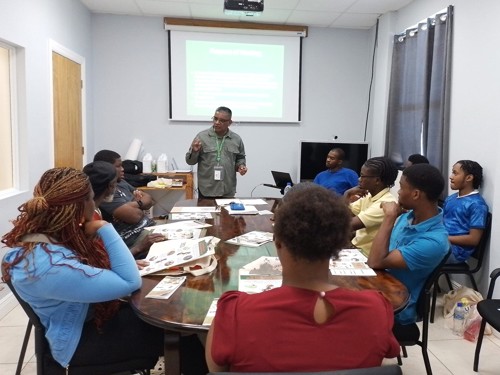
Through the project, staff from the Ministry of Agriculture, Lands, Housing, Environment, Youth Affairs, and Sports, alongside community workers, received training on identifying ants, particularly high-risk invasive species. This training is essential for effective surveillance of ant populations and reinforces biosecurity regulatory policies.
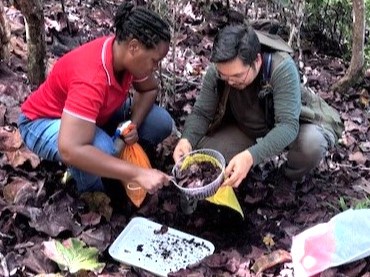
In total, 57 species of ants were collected from disturbed areas and forest habitats. This was done to assess the potential negative impacts of fire ants and other non-native ant species on the ecological structure of local ants and ground-dwelling invertebrates. Among those collected, 14 species were identified as non-native, with three being highly invasive: Pheidole megacephala, Solenopsis invicta, and Wasmannia auropunctata. The remaining 43 species are native to the region. The findings of this study are currently being prepared for publication, detailing the invasion mechanisms of non-native species, emphasising the critical role of ecological restoration as a sustainable strategy for managing invasive species.
This project highlighted the ongoing efforts to manage invasive fire ant populations in Montserrat. These efforts combine immediate control measures with long-term sustainability initiatives that aim to protect the island's biodiversity and ecological integrity.
Written by Noel Tawatao, Barry Mahabir, Stephen Mendes, and Ernestine Corbett. For more information on this Darwin Plus Local project DPL00113, led by Government of Montserrat – Department of Environment, please click here.